Localities
The world's classic mineral localities, from Cornwall and Weardale to Tsumeb, Ojuela and Broken Hill: what each one produced, and what to look for in it.
Britain's classic mineral localities sit in a handful of orefields worked from the 1700s: Cornwall and Devon for copper and tin, the Caldbeck Fells for lead secondaries, Weardale for fluorite, Derbyshire for Blue John, the Mendips for the lead-manganese suite, and Leadhills and Wanlockhead in Scotland, which named 4 species.
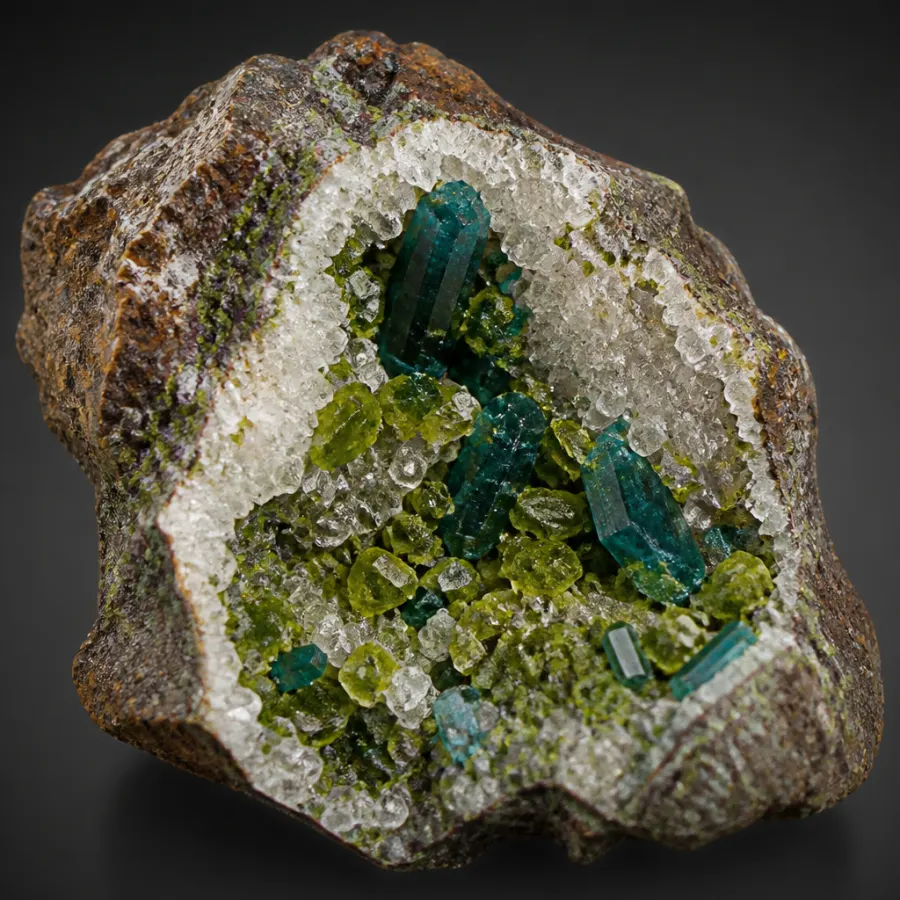
Cornwall
Two centuries of copper and tin mining left Cornwall with a mineral suite few regions anywhere can match, and a set of m…
Read →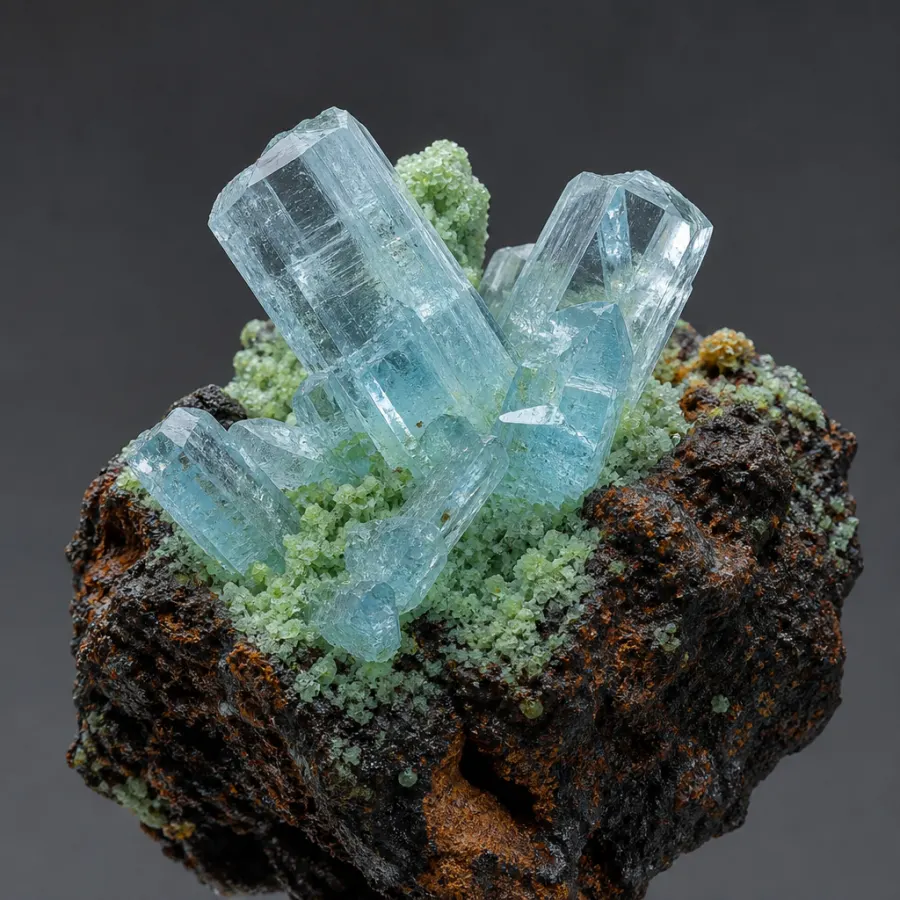
Devon
Devon shares Cornwall's geology and much of its mineralogy, with tungsten and scorodite at Hemerdon and a copper-ar…
Read →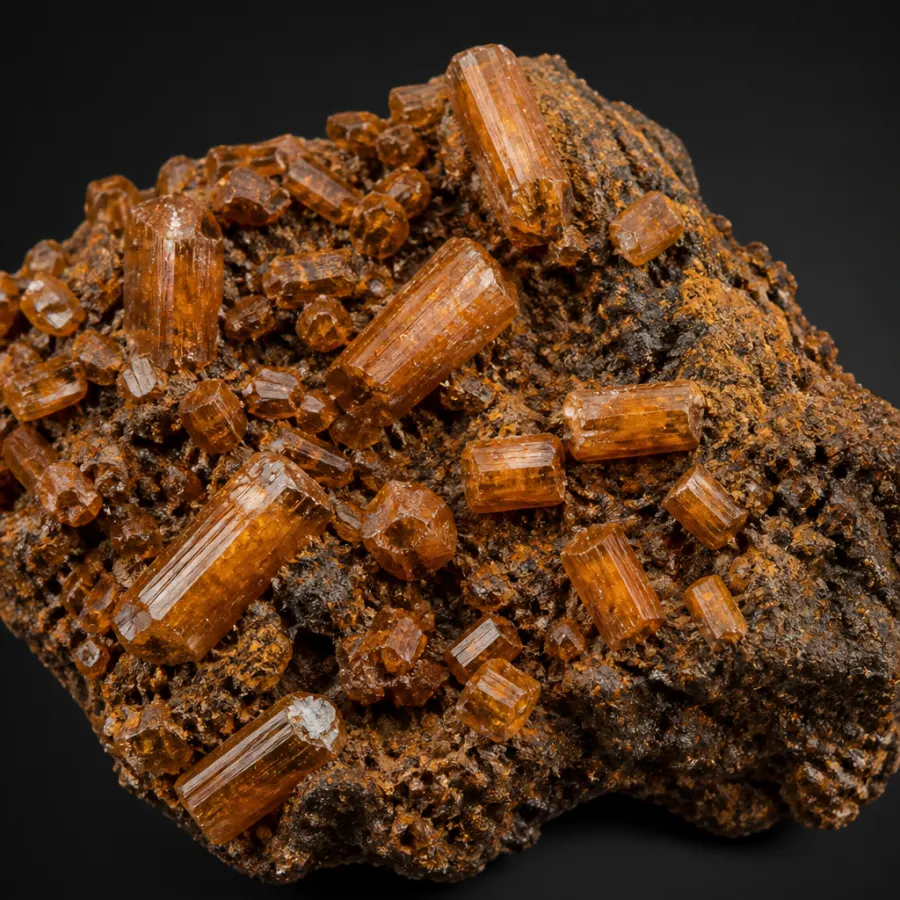
The Caldbeck Fells
A small area of northern Lakeland that produced some of the most distinctive lead secondaries in Britain: campylite from…
Read →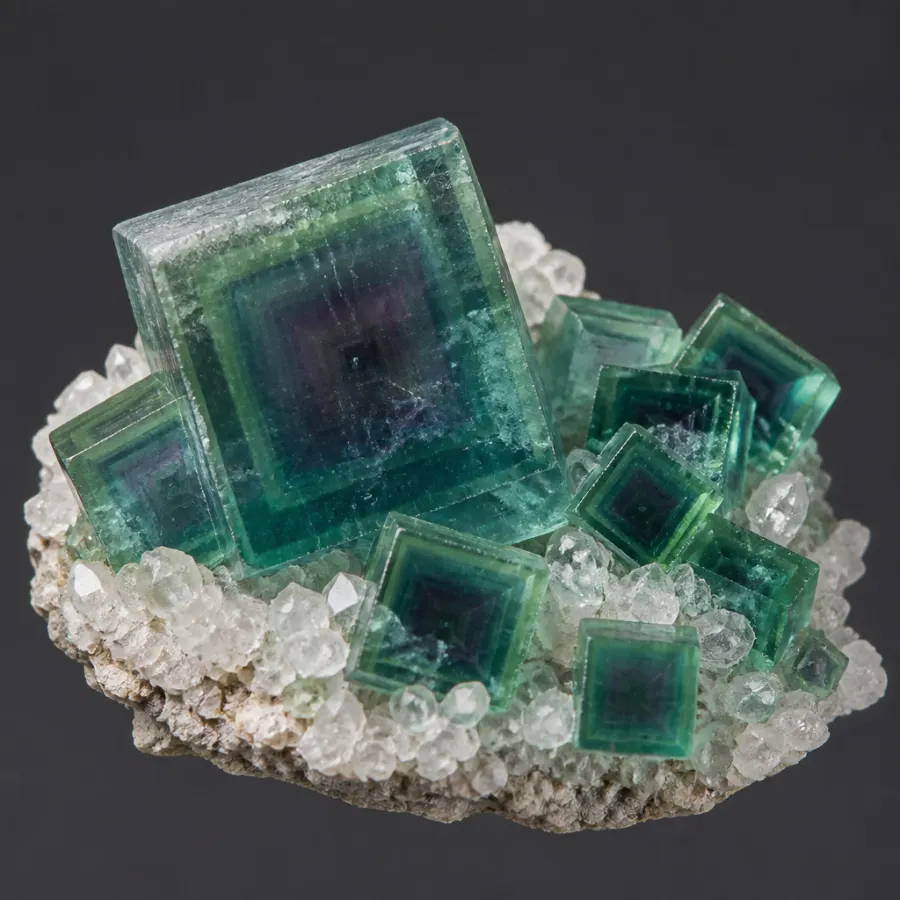
Weardale and the North Pennines
The North Pennine orefield produced British fluorite at a quality that competes internationally, and one mine at Rogerle…
Read →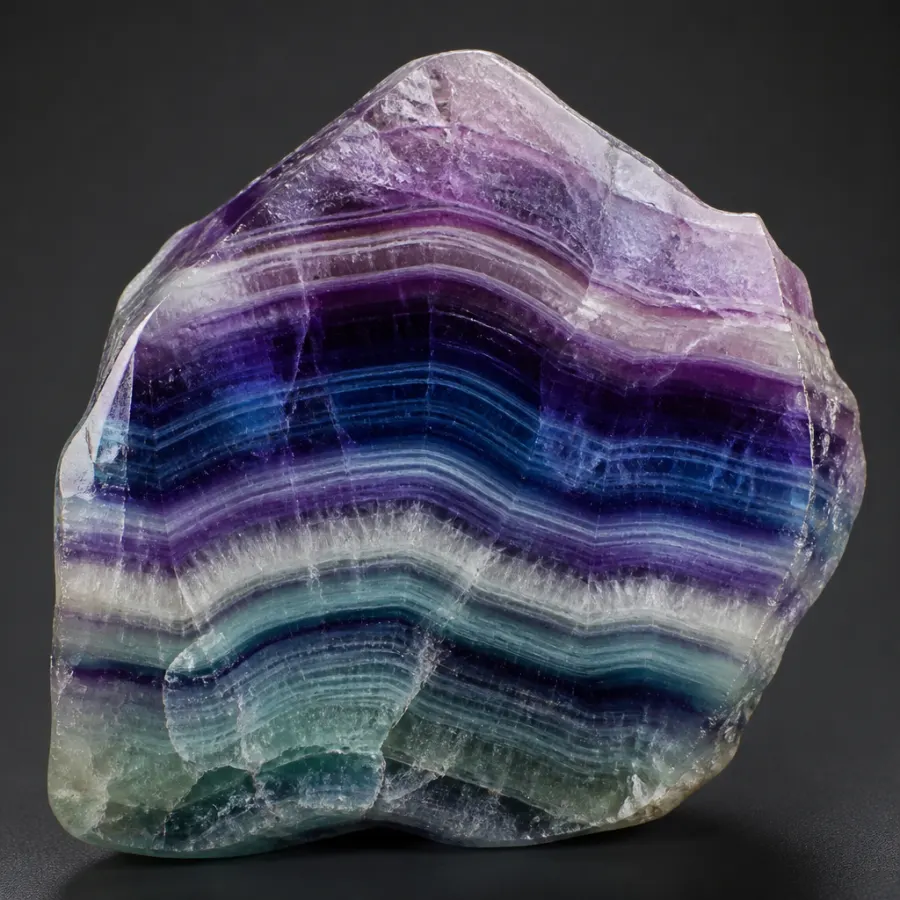
Derbyshire
The Peak District orefield gave Britain its only ornamental fluorite in Blue John, centuries of lead mining behind it, a…
Read →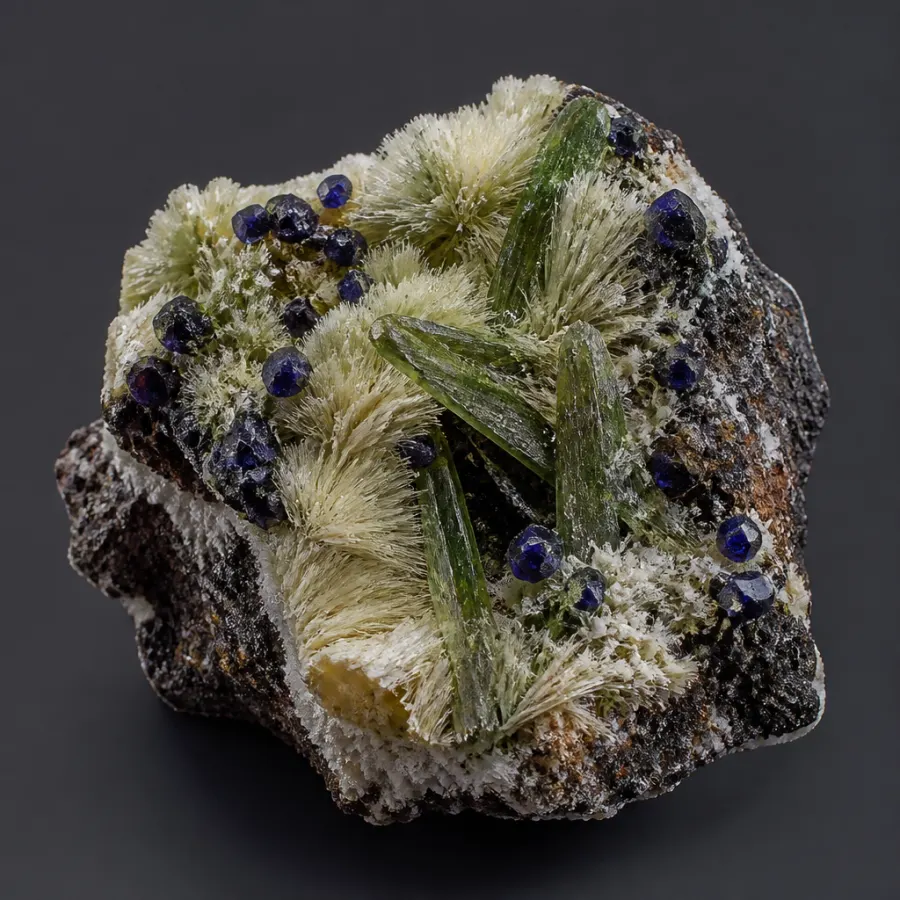
The Mendip Hills
A short range of Somerset limestone that gave its name to the mineral mendipite and produced a lead-manganese assemblage…
Read →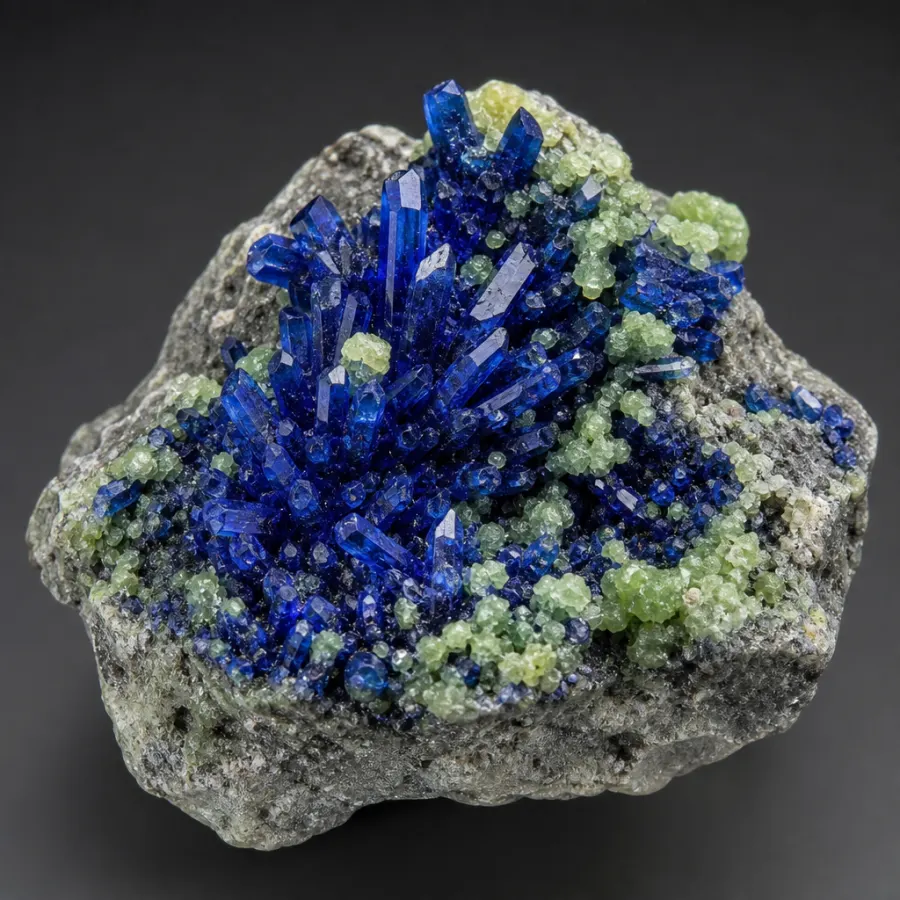
Leadhills and Wanlockhead
Two villages either side of the Lanarkshire and Dumfriesshire border which between them are the type locality for leadhi…
Read →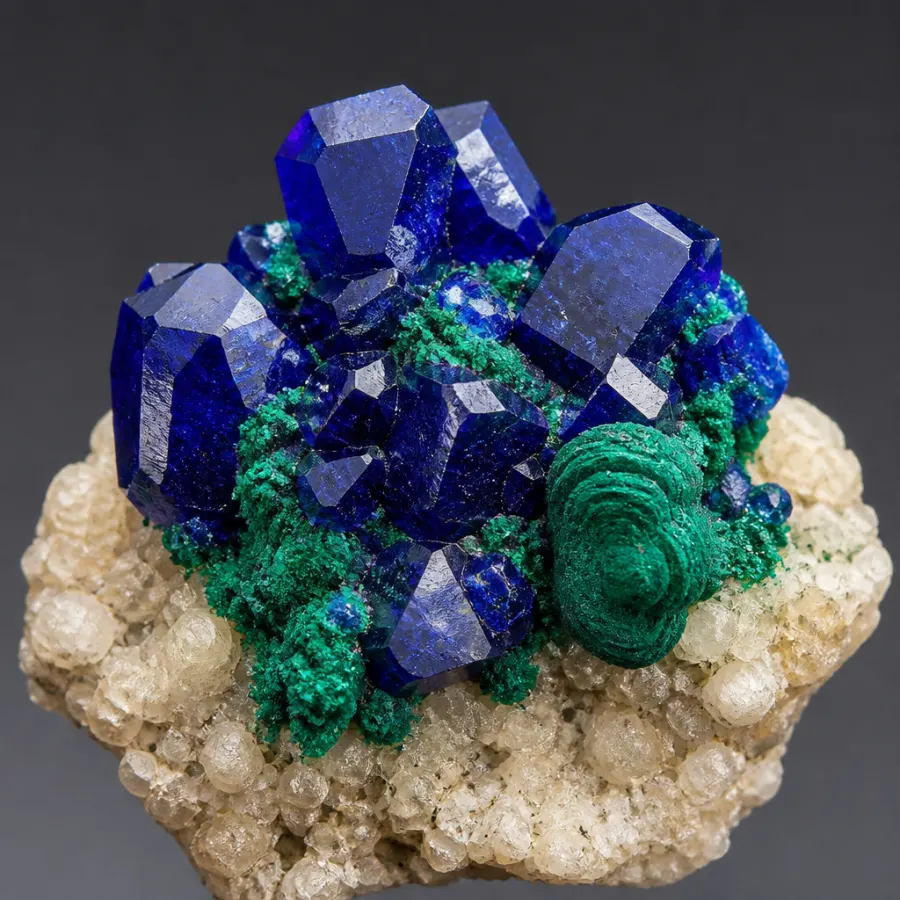
Tsumeb
The most species-diverse mine ever worked. Tsumeb produced well over 200 species and set the world standard for azurite,…
Read →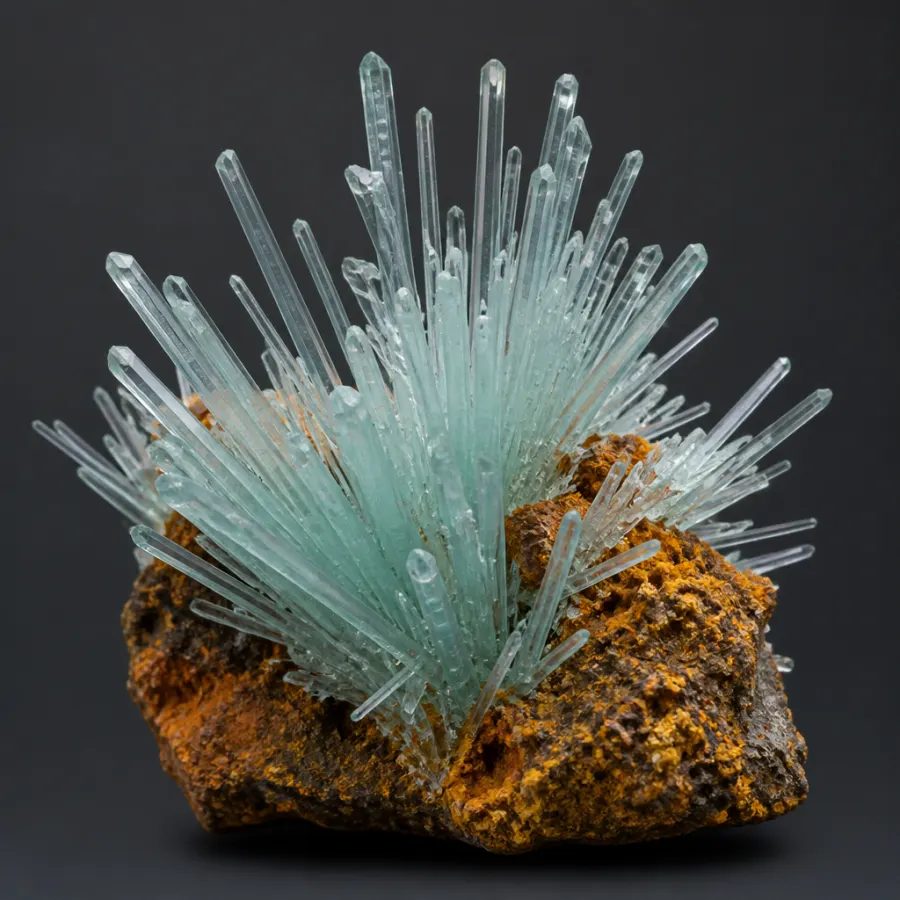
Ojuela
Mexico's classic oxidised deposit, known worldwide for hemimorphite, adamite and a run of arsenate species on limon…
Read →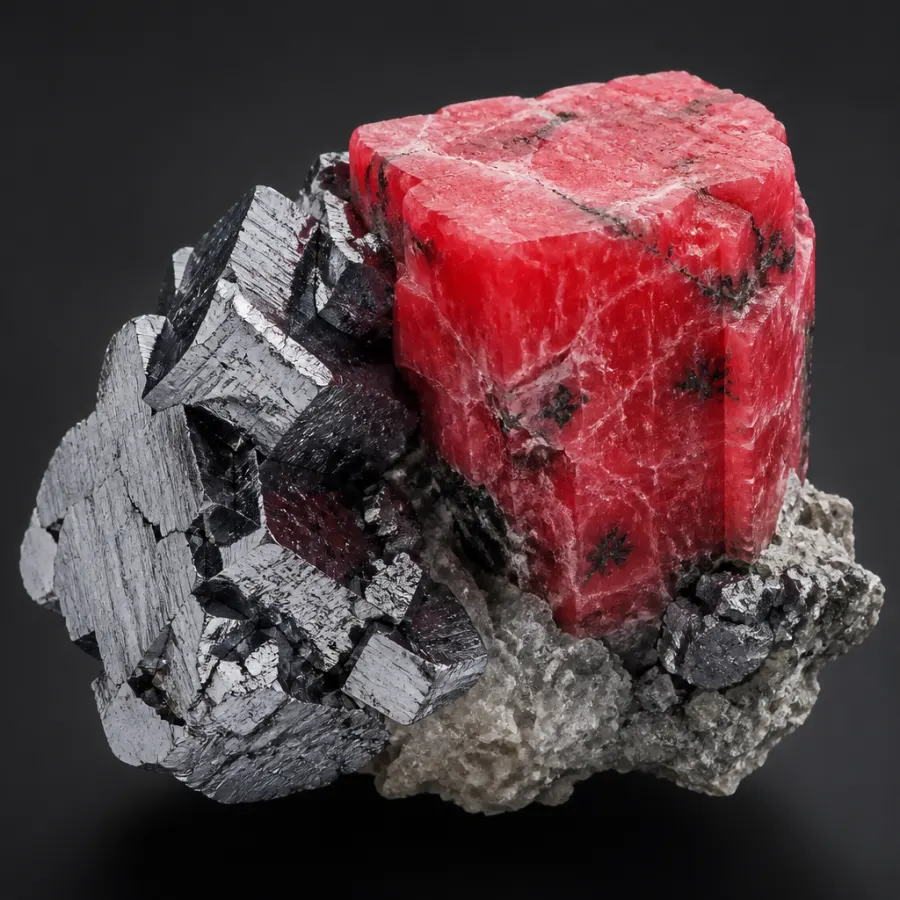
Broken Hill
Australia's most important mineral locality: a vast silver-lead-zinc orebody that produced world-class rhodonite, p…
Read →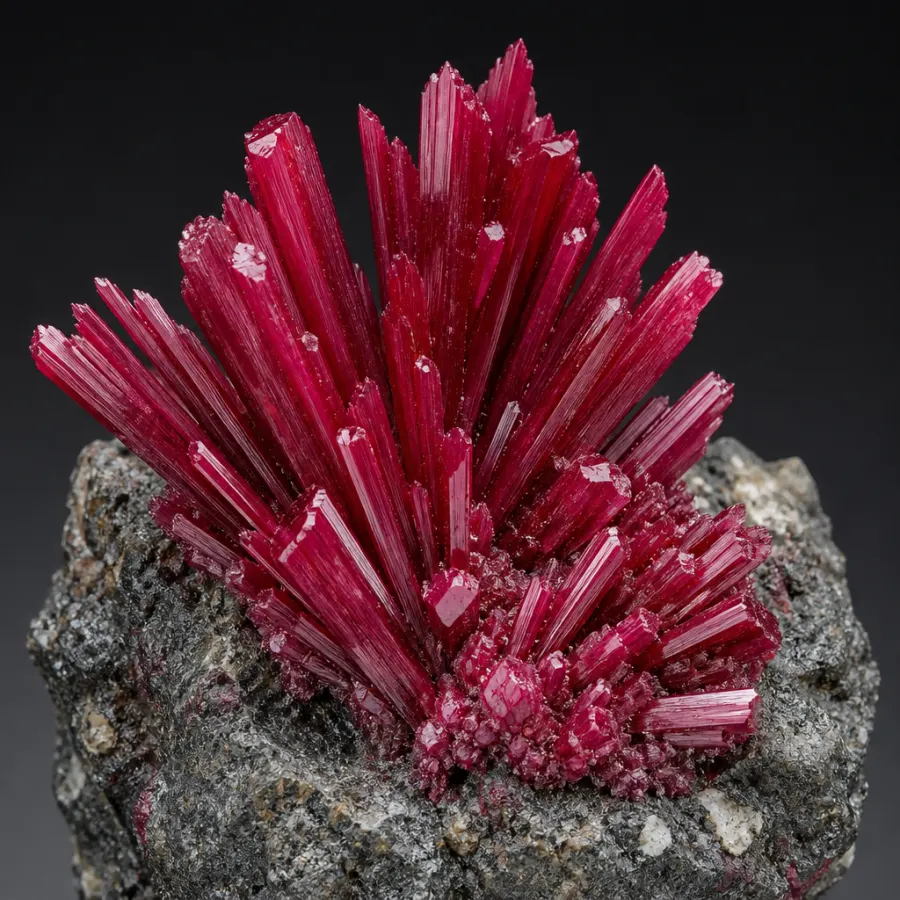
Bou Azzer
A cobalt district in the Moroccan Anti-Atlas, and the locality that every erythrite specimen in the world is judged agai…
Read →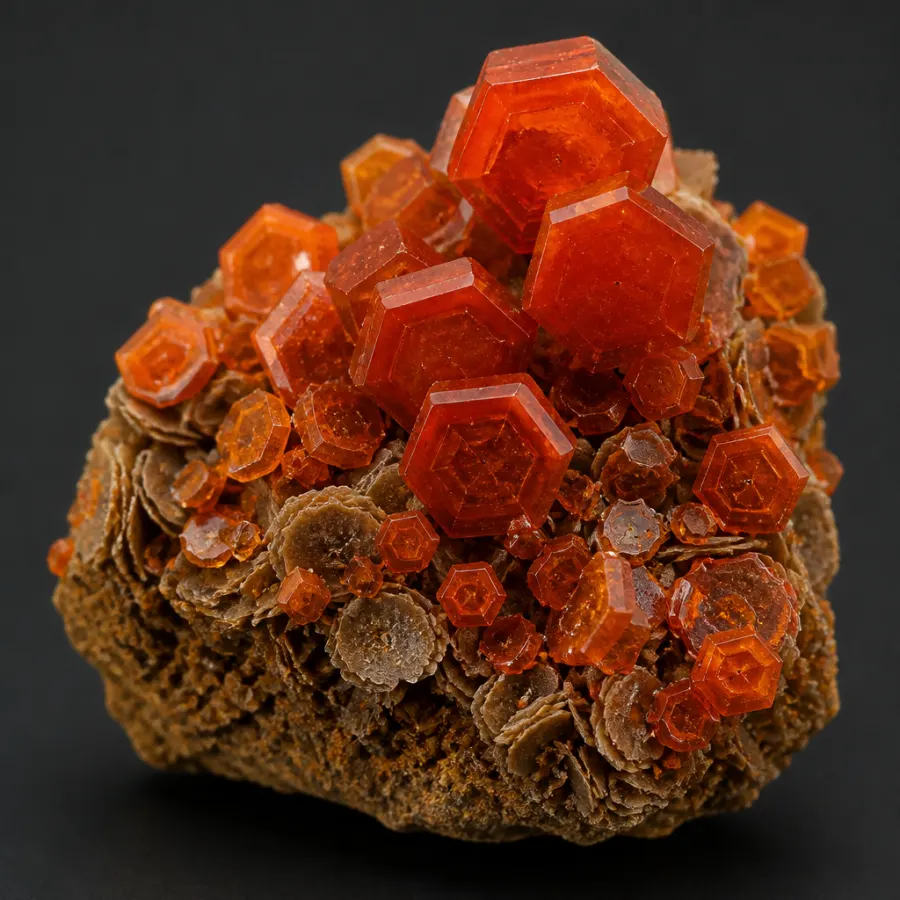
Mibladen
A lead field in the Upper Moulouya of Morocco, and the locality that defines what vanadinite is supposed to look like: r…
Read →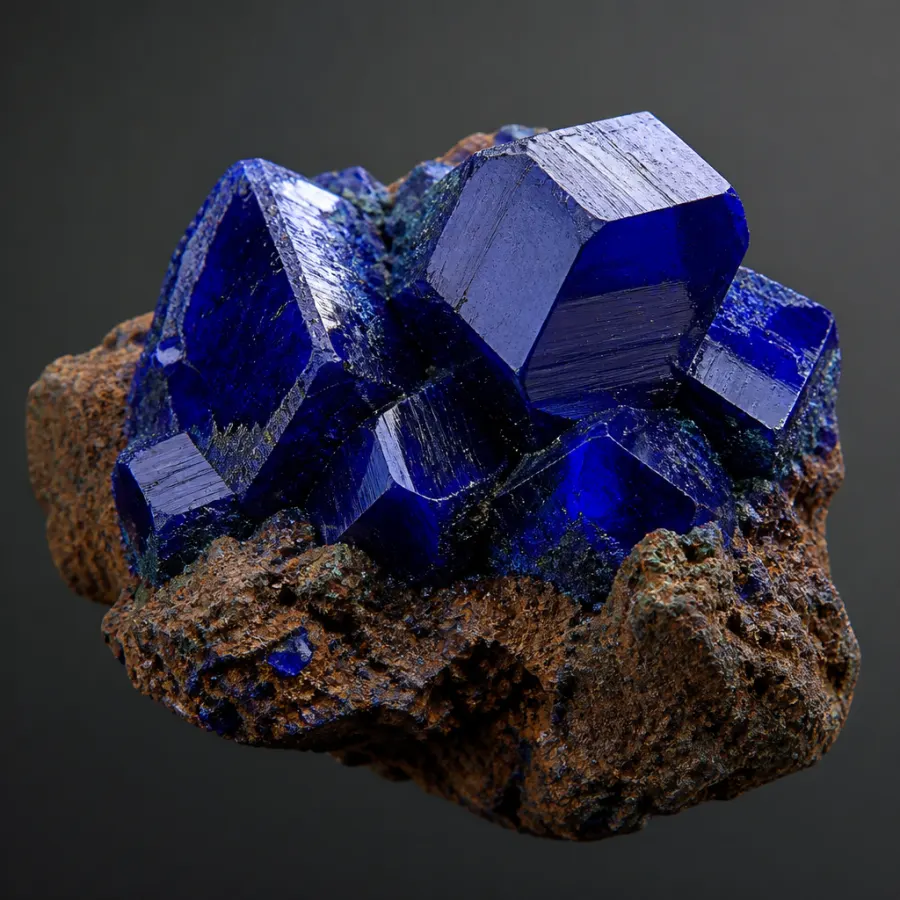
Milpillas Mine
A working copper mine in Sonora. Milpillas azurite is the modern benchmark for the species, and the shallow oxidised zon…
Read →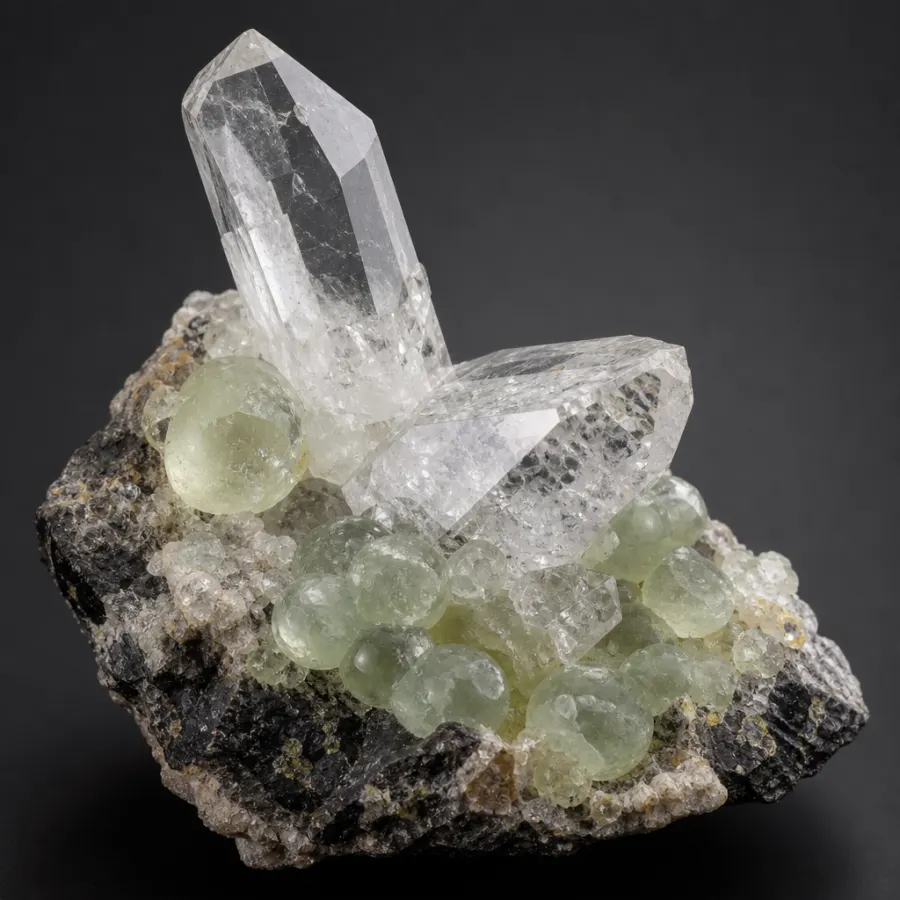
Dalnegorsk
Primorsky Krai, in the Russian Far East: skarn ore bodies producing datolite, ilvaite, calcite, fluorite and galena at a…
Read →Red Cloud Mine
The Silver District claim that set the standard for wulfenite: thick orange-red tablets, the Ed Over legend, and a local…
Read →Alston Moor
The barium capital of the North Pennines: witherite, barytocalcite and alstonite, alongside the fluorite, galena and sph…
Read →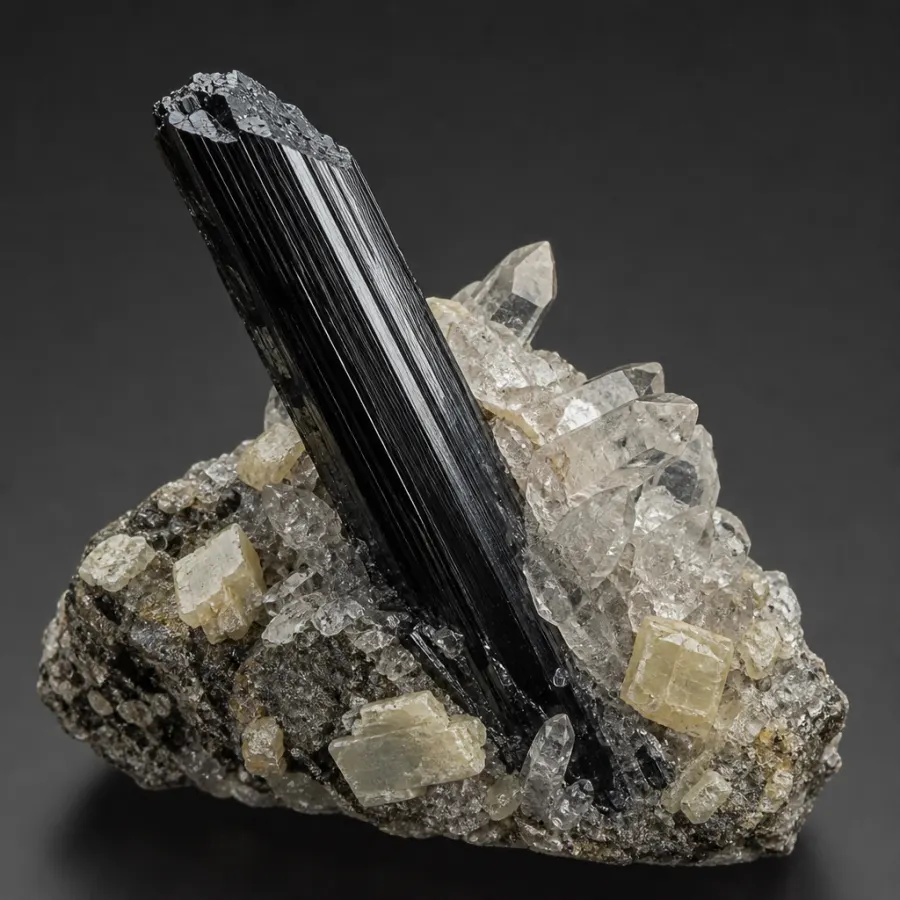
Panasqueira
Panasqueira, central Portugal: a tungsten mine on flat quartz-wolframite veins, licensed 1896, named on 3 of 176 Handboo…
Read →Kelly Mine
The Kelly mine, Magdalena district, Socorro County, New Mexico: zinc and lead from 1878 to 1957, Kelly Blue smithsonite,…
Read →Franklin and Sterling Hill
Franklin and Sterling Hill, Sussex County, New Jersey: zinc orebodies in Franklin Marble, over 360 species, about 90 flu…
Read →Lavrion
Lavrion (Laurium), Attica: lead-silver mines worked from at least the third millennium BC, 638 minerals, and 14 of 176 H…
Read →Bisbee
Bisbee, Arizona: the Copper Queen mine, found 1877 and worked to 1975, its azurite and malachite, and shattuckite, a cop…
Read →West Cumbria Hematite Mines
West Cumbria hematite mines at Frizington, Cleator Moor and Egremont: kidney ore, specularite crystals, streak, and Brit…
Read →Minas Gerais
Minas Gerais, Brazil: the Eastern Brazilian Pegmatite Province, its 11 districts, elbaite and beryl, and the Sapucaia pe…
Read →Katanga Copperbelt
The Katanga (Shaba) Copperbelt, DR Congo: copper-cobalt ore, oxidised-zone malachite crystals and heterogenite, the Kolw…
Read →Naica
Naica, Chihuahua: a silver-lead-zinc mine where Peñoles miners found the Cave of Crystals in 2000, its gypsum beams 11 t…
Read →Benitoite Gem Mine
Benitoite Gem Mine, San Benito County, California: found in 1907, the Dallas mine until the 1960s. Six species sheets na…
Read →